
Wolf Spider Identification Guide
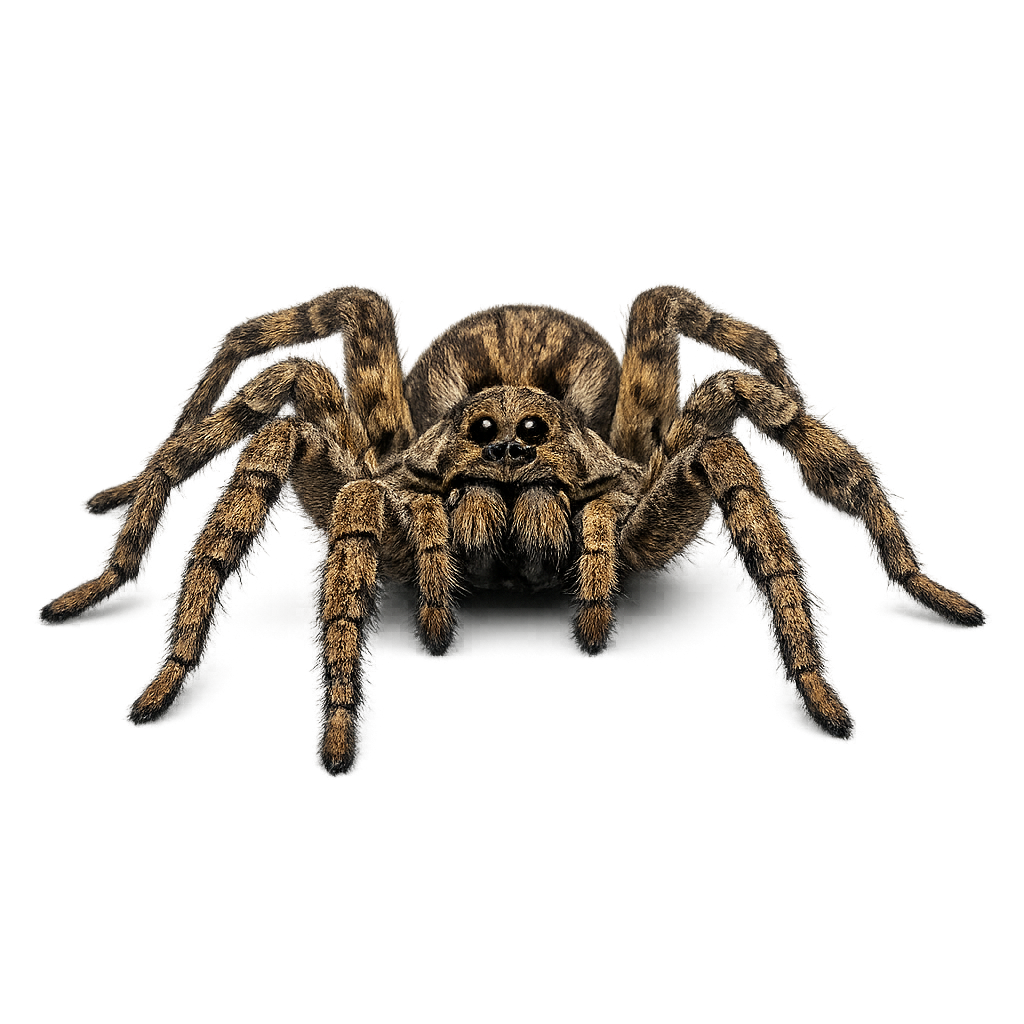
Wolf spiders are large, fast-moving spiders commonly found throughout North Texas. Because of their size and speed, they often surprise homeowners when they appear inside garages, patios, or living spaces.
Unlike many spiders that build webs, wolf spiders actively hunt insects on the ground. While they can look intimidating, they are generally not aggressive toward humans and usually only entering homes while searching for prey or shelter.
Understanding how to identify wolf spiders and where they hide can help homeowners reduce encounters around the home.
Wolf spiders are one of the largest spiders commonly seen in North Texas. They are often confused with tarantulas or brown recluse spiders because of their size and color.
Key identification characteristics include:
Large, robust body
Hairy appearance
Brown, gray, or dark patterned coloring
Long, thick legs built for running
Two large forward-facing eyes with several small eyes arranged above them
Fast-moving and typically found on the ground rather than webs
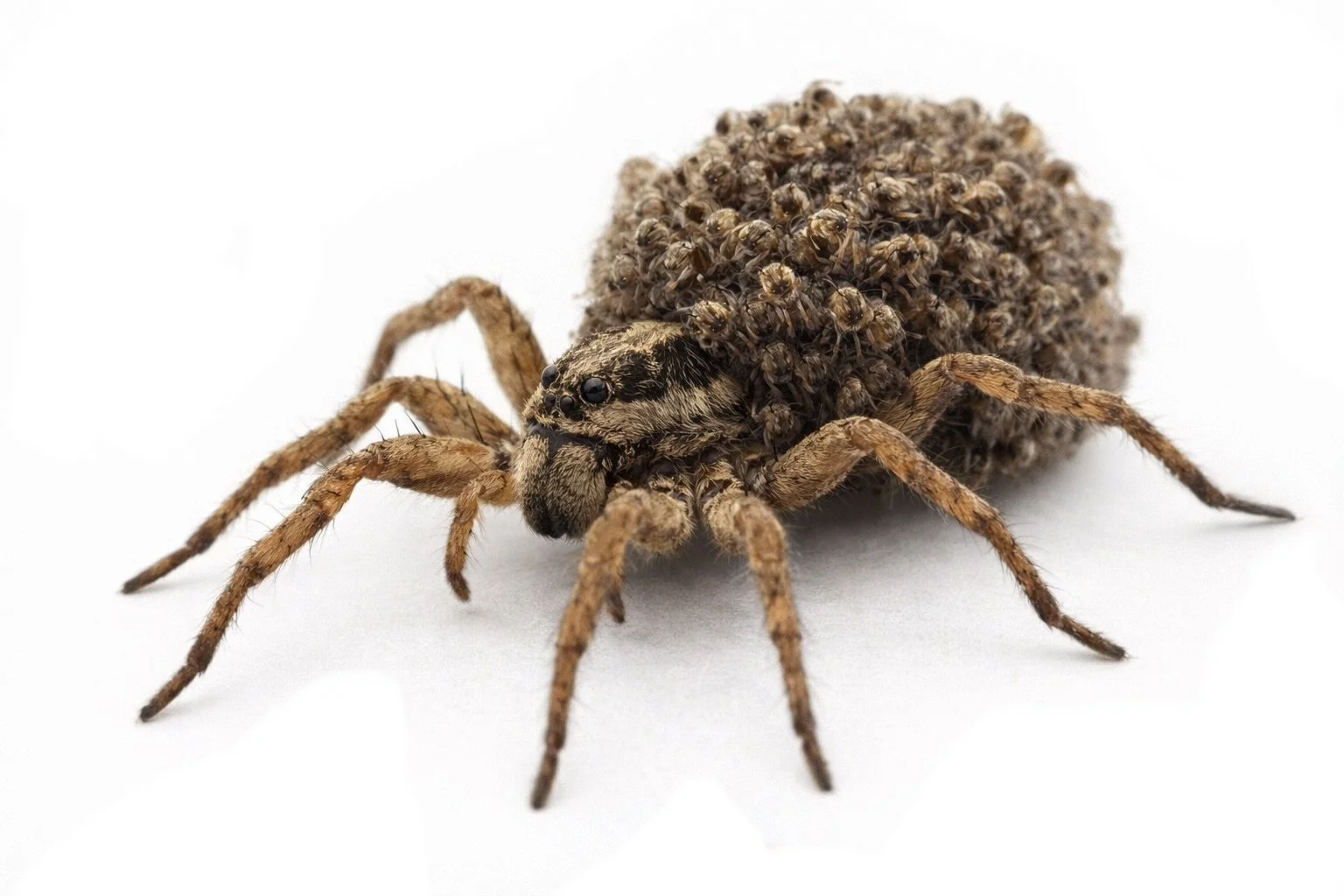
One unique trait of wolf spiders is that female wolf spiders their spiderlings on their backs after they hatch, which can make them appear even larger.
How to Identify Wolf Spiders
Are Wolf Spiders Dangerous
Wolf spiders are not considered dangerous to humans. They are not aggressive and usually only bite if handled or trapped against the skin.
A wolf spider bite may cause:
Mild redness
Temporary swelling
Localized pain similar to a bee sting
Serious reactions are rare, and most bites resolve quickly without medical treatment.
Why Wolf Spiders Appear Around Homes
Wolf spiders are usually present because the environment provides food and shelter.
Factors that attract wolf spiders include:
High insect activity around the home
Outdoor lighting that attracts insects
Landscaping close to the foundation
Moist or shaded areas
Cracks or gaps that allow spiders to enter
Reducing insect populations around the home can significantly reduce spider activity.
Wolf Spiders Prevention Tips
Homeowners can reduce wolf spider encounters by making the property less attractive to insects and eliminating hiding areas.
Helpful prevention steps include:
Sealing cracks and gaps around doors and windows
Keeping grass trimmed and landscaping maintained
Removing clutter near foundations
Reducing outdoor lighting that attracts insects
Keeping garages and storage areas organized
Regular pest control treatments can help reduce the insects that spiders rely on for food.
Professional Spider Control in North Texas
If wolf spiders are appearing frequently inside your home, it may indicate that other insects are present around the property.
HighGround Pest Defense uses a tactical approach to pest protection through our TriGuard™ Protection Program, which targets pests around the home’s exterior, foundation, and entry points.
By controlling the insects that spiders feed on, we can help reduce spider activity and keep homes protected year-round.